
This role often involves compiling data for monthly and quarterly reports, which are crucial for business assessment and strategy planning. Bookkeepers are essential for maintaining accurate financial records and ensuring compliance. They manage everything from daily transactions to tax filings and cash flow. Proper bookkeeping keeps your business organized and helps you make informed decisions.
- Bookkeepers track accounts receivable and accounts payable to ensure timely payments and maintain a steady cash flow.
- Some credit Benedetto Cotrugli and his 1458 book Of Commerce and the Perfect Merchant.
- If you invoke the guarantee, QuickBooks will conduct an evaluation of the Live Bookkeeper’s work.
- Auditors review the financial and tax information of a business to determine if the business is running in a legitimate way.
Definition of bookkeeping

Our PRO users get lifetime access what is a bookkeeper to our bookkeeping training videos, cheat sheet, flashcards, quick tests, tests for prospective employees, guide to bookkeeping concepts, and more. Just keep in mind that bookkeeping is a very time-consuming process and often requires the use of software, so keep that in mind if you want to commit to this over the long term. It’s incredibly difficult to formulate a budget without a organized record of transactions that inform where common expenses lie.

Support
If a bookkeeper owns their own business, they’ll doe everything mentioned above as well as more! It is crucial that a bookkeeper has an eye for detail and enjoys doing a wide range of administrative tasks. For larger businesses, the owners’ equity means the same thing—it’s just split between multiple people. For a very large, publicly traded company, that ownership might be split among millions of shareholders, but the basic principle remains the same. It’s not uncommon for the terms “bookkeeping” and “accounting” to be used interchangeably. While there is some overlap between these two processes, bookkeeping and bookkeeping accounting are not quite the same.
- It is indispensable to have a knowledge of accounting and to understand how to use accounting software systems.
- It means fewer mistakes and more time for understanding the financial data to make better choices.
- We provide third-party links as a convenience and for informational purposes only.
- Not only can this help you set goals, but it can also help you identify problems in your business.
- Being certified can put potential employers at ease as they’re confident you have the necessary skills and knowledge for the position.
Q: Can you explain the double-entry system of bookkeeping?
- Look for professionals who have experience working with businesses similar to yours, considering factors like size or industry structure.
- Unlike accountants who often deal with analysis and strategic planning, bookkeepers focus on maintaining accurate, up-to-date books that reflect the company’s financial activities.
- A bookkeeper must have a sharp eye for inconsistencies and a meticulous approach to recording transactions.
- Becoming a certified bookkeeper typically takes 6 months to 2 years, depending on your chosen certification path.
- Accounts payable clerks, on the other hand, manage the vendor invoices of a business and ensure that the company is paying all bills in a timely manner.
Whilst it’s not always necessary to have a degree, some companies will look for candidates with coursework in accounting. As mentioned above, being proficient in accounting software such as QuickBooks will increase your value. You can find online video instruction at lynda.com or you may also find courses on QuickBooks being taught at a local technical school near you. He is a seasoned small business owner and entrepreneur, with over 17+ years of experience growing and building companies.

Manage invoices and bills

They can also get important insights into their business’s finances. It’s about keeping track of financial moves to understand a business’s money situation. It talks about its importance, key tasks, how it’s different from accounting, and ways it helps business owners. You’ll also learn about creating financial reports, and the deeper responsibilities of bookkeeping. We’ll uncover the history of this field and what its future looks like. Bookkeeping is the process of keeping track of a business’s financial transactions.
- Certified Public Accountants (CPAs) supervise the internal controls of computerized bookkeeping systems to preserve accuracy.
- Their ability to maintain organized records aids in quick financial analysis and decision-making, ultimately leading to improved operational efficiency and strategic planning.
- For details about our money transmission licenses, or for Texas customers with complaints about our service, please click here.
- Accurate financial records can also help you maintain compliance with financial and tax regulations.
- Fortunately, many universities offer free courses for brushing up on mathematical, statistical, and other analytical skills if you’re feeling a little rusty.
- This includes recording sales, purchases, payments, and receipts, ensuring that every financial activity is documented promptly and correctly.
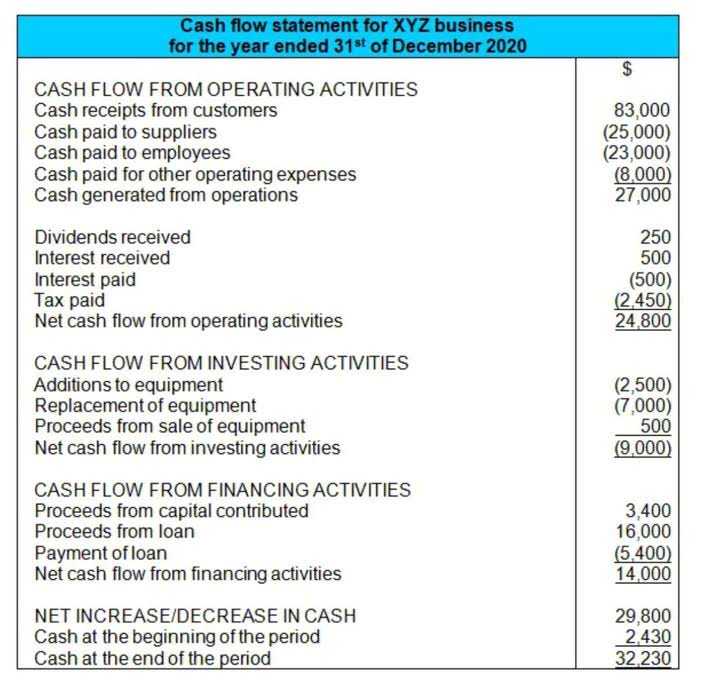
Bookkeeping is a precise and structured approach to managing the financial transactions of a business. It plays a critical role in accounting, providing the underpinning data necessary for financial analysis and reporting. When discrepancies arise between bank statements and https://3tamis.org/accounts-payable-turnover-ratio-formula-example/ bookkeeping records, bookkeepers investigate and resolve them, maintaining financial accuracy. For small business owners, good bookkeeping can make or break the success of the company. Many hire a professional bookkeeper or outsource to a bookkeeping service to ensure accuracy and consistency.